Empowering Communities in ASAL Regions
Wajir Women for Environmental and Climate Change (WWECC) is a community-based organization (CBO) based in Wajir County, Kenya, dedicated to advancing environmental conservation, climate change resilience, and sustainable development.
About Wajir Women for Environmental and Climate Change (WWECC)
is a community-based organization (CBO) based in Wajir County, Kenya, dedicated to advancing environmental conservation, climate change resilience, and sustainable development
Our Story
Wajir Women for Environmental and Climate Change (WWECC) is a community-based organization (CBO) based in Wajir County, Kenya, dedicated to advancing environmental conservation, climate change resilience, and sustainable development. The organization is legally registered with the Department of Social Services, Kenya, and was established to empower women, youth, and local communities to become active agents of environmental stewardship and climate action in the arid and semi-arid lands of Wajir North, Wajir County.
Through community-driven initiatives, WWECC promotes sustainable natural resource management, climate-smart livelihoods, environmental education, and inclusive participation in climate governance. The organization recognizes the critical role of women and indigenous knowledge in addressing environmental challenges and building resilient communities. By fostering partnerships with government agencies, civil society organizations, and development partners, WWECC works to create sustainable solutions that enhance environmental protection, strengthen climate resilience, and improve the socio-economic well-being of local communities.
Learn More About Us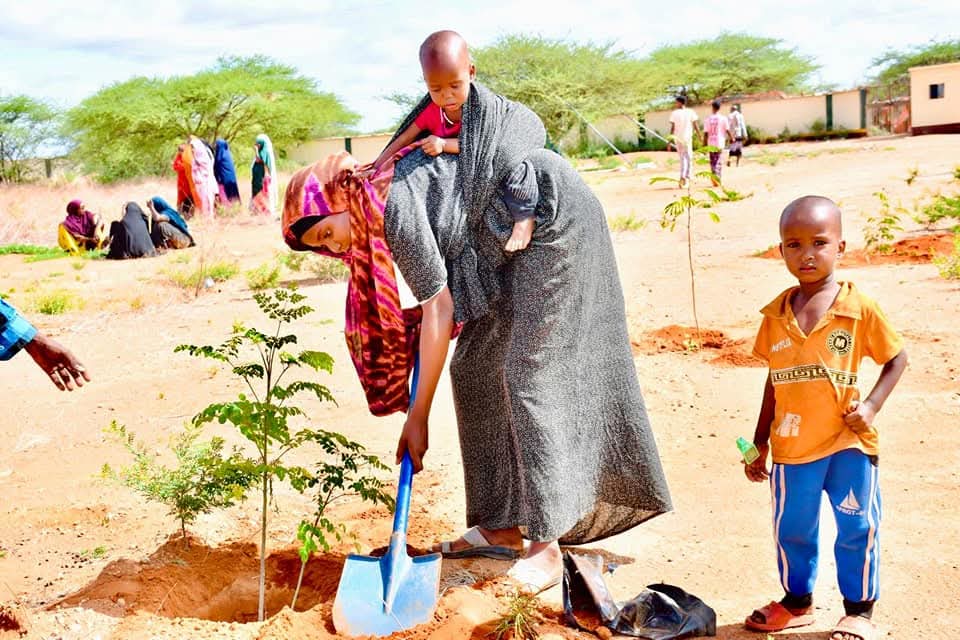
Our Vision
"A resilient, sustainable, and climate-smart community."
Our Mission
To strengthen community resilience through environmental conservation, climate action, and sustainable development.
Core values
- Integrity
- Accountability
- Transparency
- Responsibility
- Honesty
- Inclusivity
- respect for Indigenous knowledge
Our Programs
Enhance climate resilience by supporting climate-smart agriculture and sustainable livelihood initiatives.
Environmental Conservation and Restoration
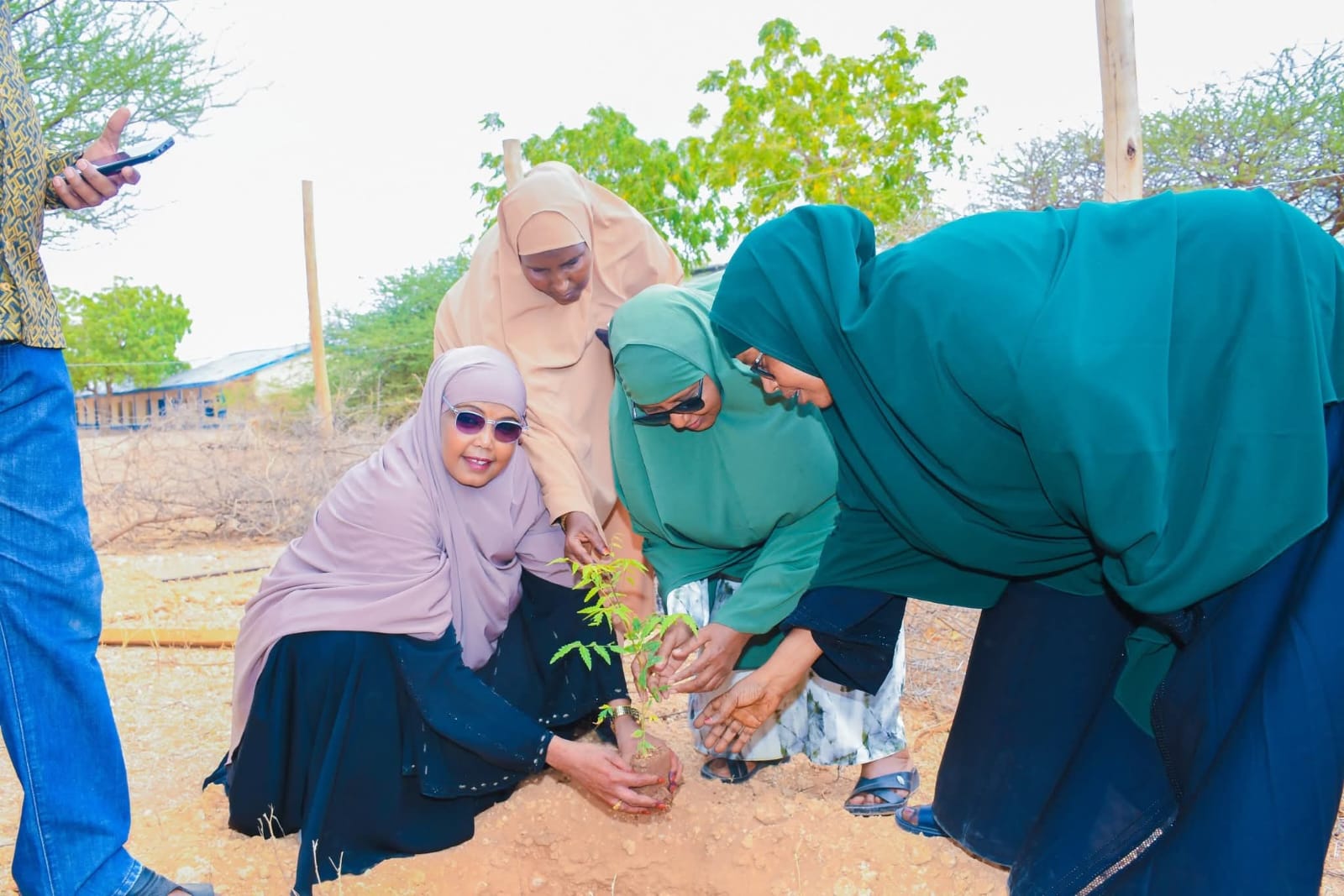
The protection, sustainable management, and rehabilitation of natural resources and ecosystems to ensure a healthy environment for present and future generations.
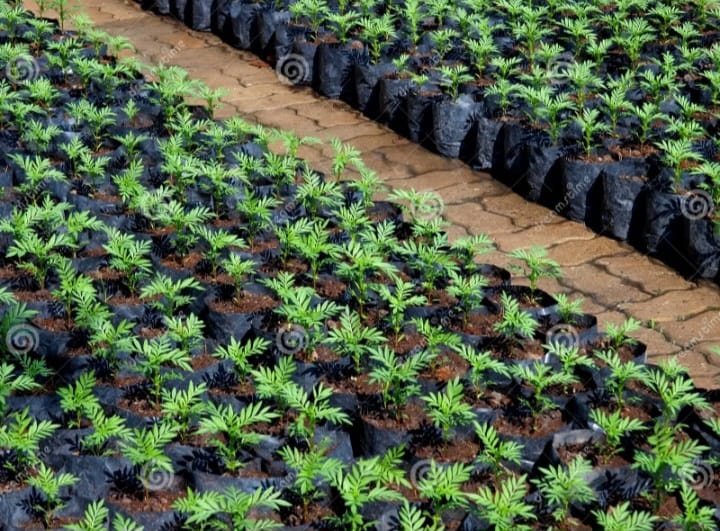
- Community tree nurseries
- Tree planting campaigns
- Ecosystem restoration initiatives
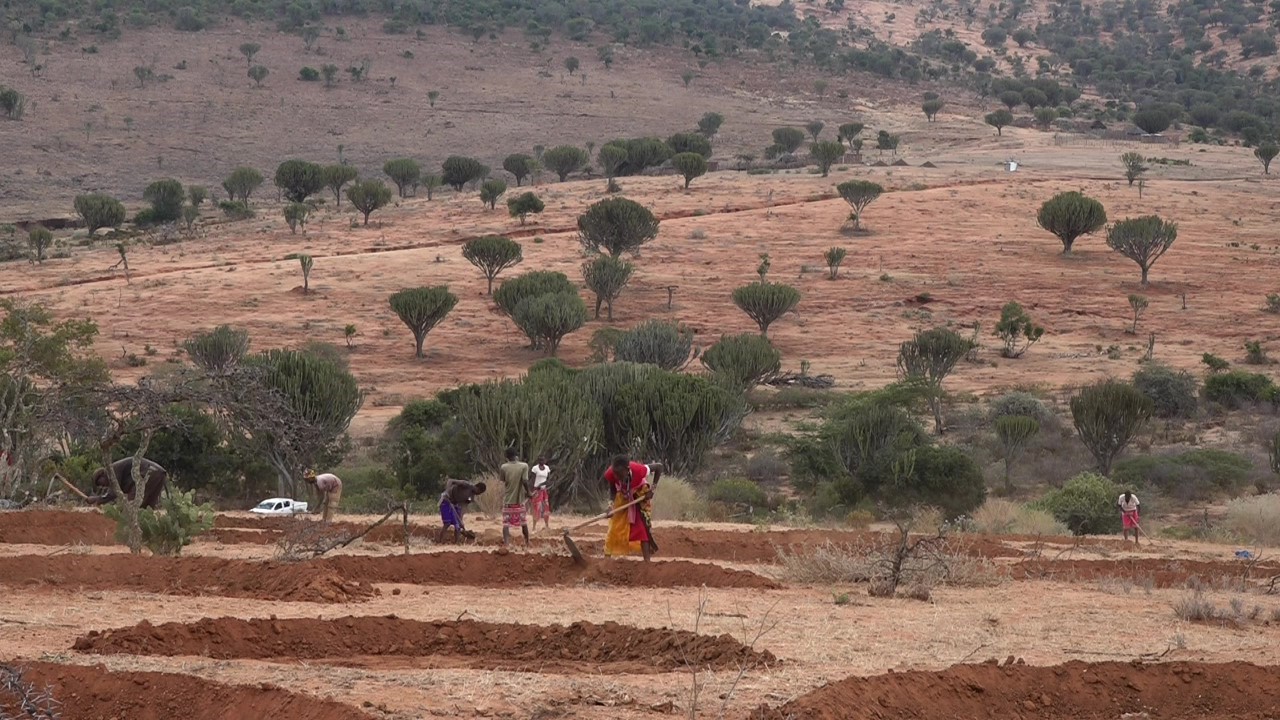
Women Empowerment
Women Empowerment through Climate‑Resilient Agriculture and Livelihood Improvement in Bute, Wajir East Project.
- Provision of water tanks for improved household water security
- Distribution of drought‑tolerant crops and fruit trees each for women
- Provision of farm tools to bolster agricultural productivity
- Practical training on climate-smart agriculture, water management, and value addition
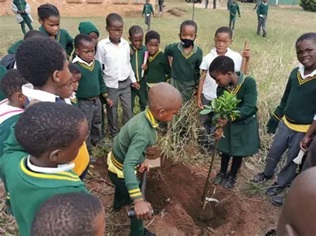
Tree Planting in schools
Planting trees in schools promotes environmental stewardship, enhances learning, and provides long-term ecological and social benefits.
- tree planting fosters student well-being, responsibility, and awareness of sustainability
- Tree planting in school combine hands-on planting with education
- Students are encouraged to monitor, water, and protect their trees, reinforcing values like patience, responsibility, and environmental consciousness
Our Impact
Measuring the positive change we're creating in ASAL communities
Women Empowered
Women Empowerment through Climate‑Resilient Agriculture and Livelihood Improvement
Trees Planted
Trees planted for environmental conservation
Climate‑Resilient Water Management Systems
Distribution of 20 water tanks (5,000L each)
Call for Support
Wajir Women for Environmental and Climate Change is seeking partnerships with like-minded NGOs, donors, and stakeholders to scale up our interventions. With additional resources, we aim to expand our implement broader climate adaptation measures.